Automate Clinical Genomics Workflows
Increase Testing Capacity Within Your Existing Laboratory
Clinical genomics labs are under pressure to shorten turnaround times within tight space and staffing constraints. Standalone instruments add footprint while leaving scientists to manage the handoffs between them.
LINQ coordinates sample reformatting, nucleic acid extraction, quality control, sorting, library preparation, dilution and pooling across integrated workcells. By connecting instruments, sample movements and execution data, it helps labs expand capacity, reduce hands-on work and maintain traceability to the sequencing-ready library.
Build Capacity, Traceability, and Consistency Into Clinical Genomics Workflows
Expand Capacity Within the Existing Laboratory
Run workflow steps in parallel and use compact, purpose-selected devices for incubation, amplification and reagent preparation. This keeps core instruments available and allows the system to target workflow bottlenecks without being tied to one vendor.
Connect the Workflow From Source Sample to Sequencing-Ready Library
Load blood, bone marrow aspirate, FFPE or saliva samples, then connect extraction, quality control, sorting, library preparation, dilution and pooling. Separate workcells can support pre- and post-PCR layouts while remaining part of one coordinated process.
Maintain Sample Identity and Detailed Traceability
Through a configured LIMS integration, connect sample identifiers with analytical results and transfers throughout the workflow. Barcode scans and run logs maintain identity and record plate movements and instrument actions for auditing and troubleshooting. This supports continuity of traceability into downstream analysis and reporting.
Reduce Hands-On Work and Support Consistent Processing
Automate reagent preparation, QC setup, cleanups, amplification, sample transfers and liquid-handler deck loading. Scientists can monitor multiple workcells through a browser while LINQ controls critical timings, retaining scientific review of failed samples and sequencing results.
Connect Clinical Genomics From Sample to Sequencing-Ready Library
Automate and connect key stages across clinical genomics, from nucleic acid extraction and quality control to library preparation for cancer and rare disease panels.
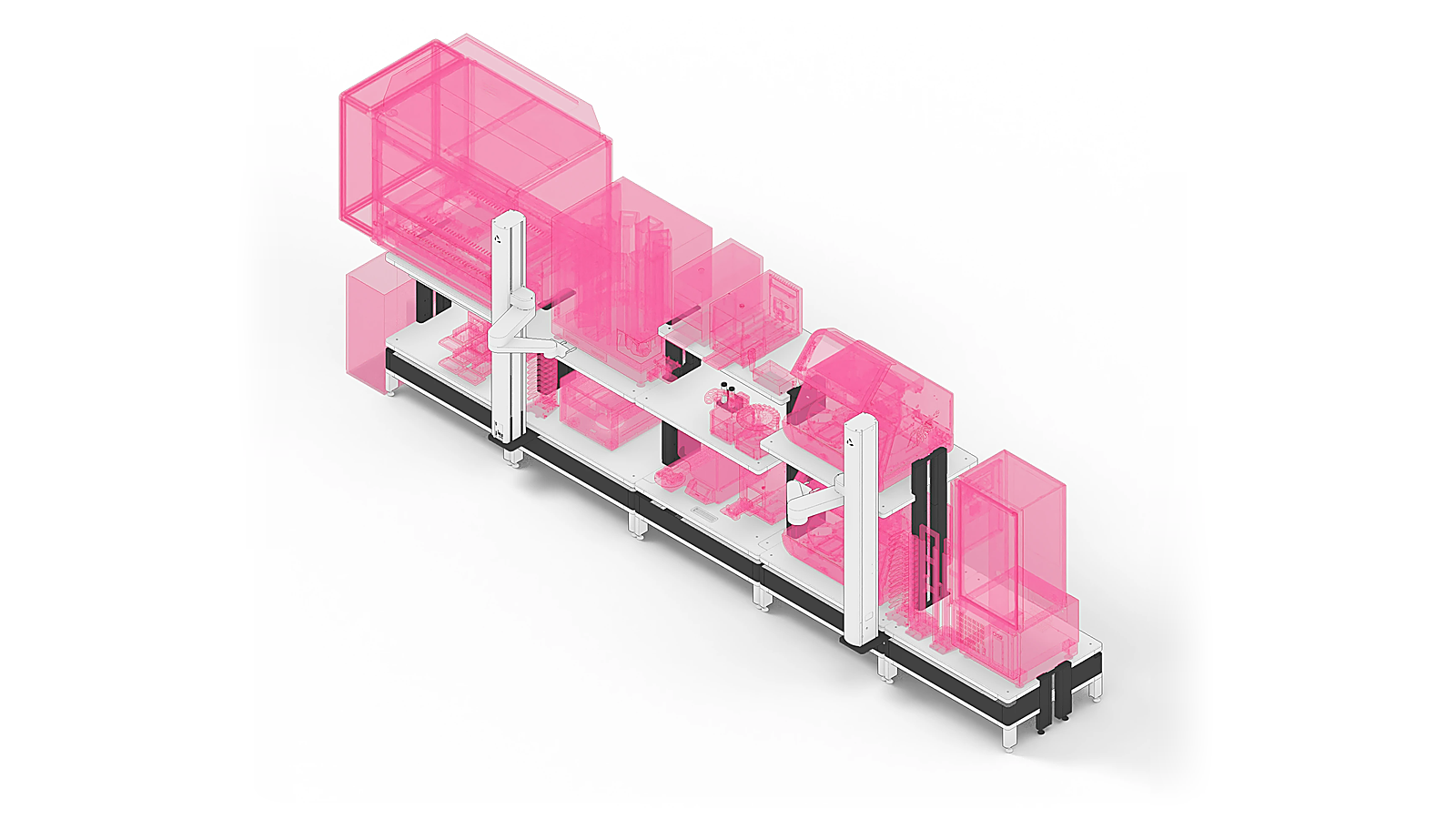
Nucleic Acid Extraction and Reformatting
Automate DNA and RNA extraction from blood, bone marrow aspirate, FFPE and saliva, from sample reformatting and reagent preparation to extracted nucleic acid in barcoded tubes.
Connect storage, decapping, extraction, centrifugation, incubation, liquid handling, dispensing, sealing and barcode scanning in one process. Source-to-output barcode tracking maintains sample identity, while flexible chemistry supports the method best suited to each validated sample type.
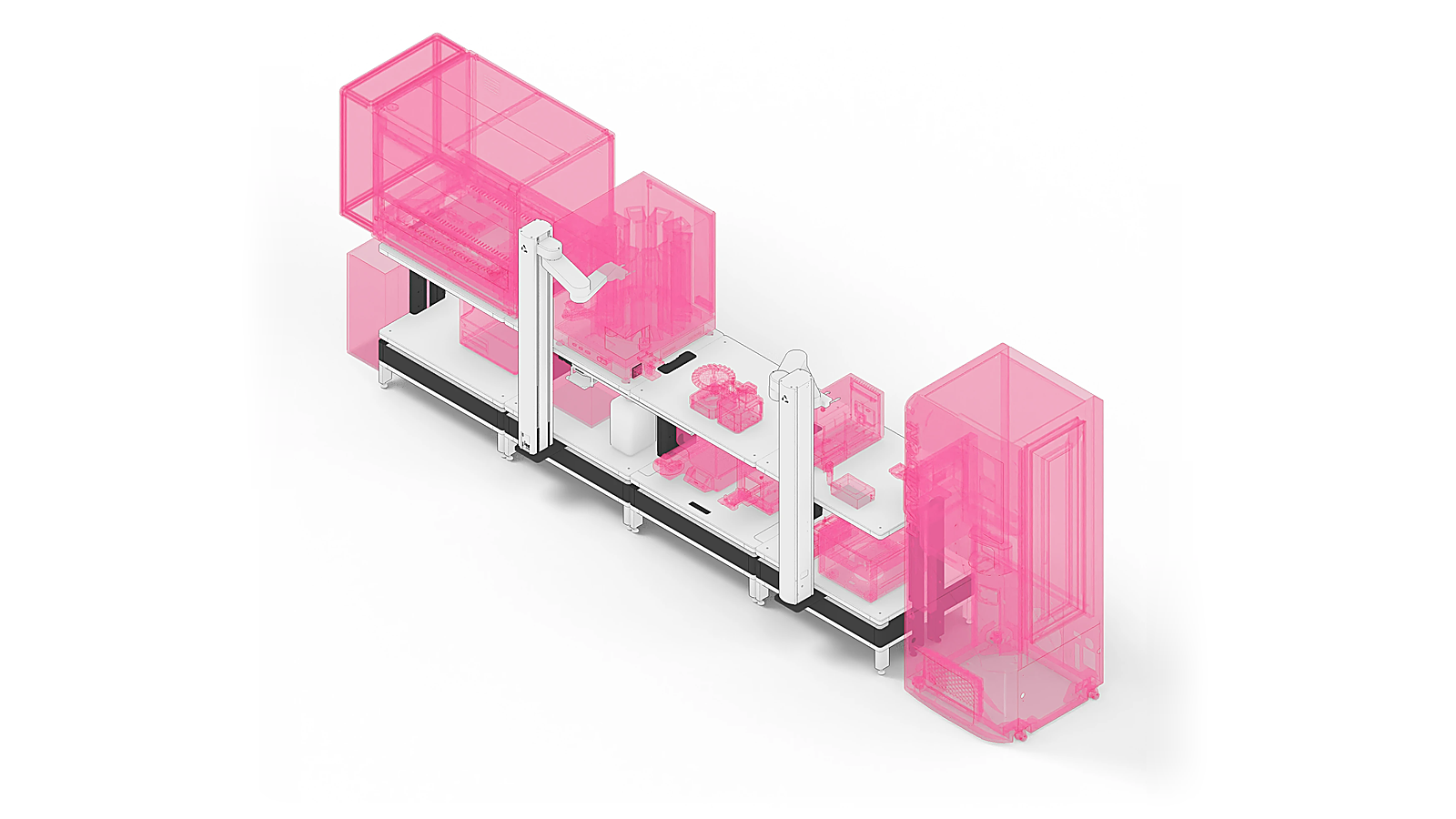
Quality Control and Dilution
Automate post-extraction quality control, sample routing, normalization and dilution before library preparation using fluorescence- and absorbance-based measurements.
QC results can sort samples against defined thresholds and calculate downstream dilutions. Where configured, LIMS integration can supply worklists and return analytical and tracking data to the relevant sample record.
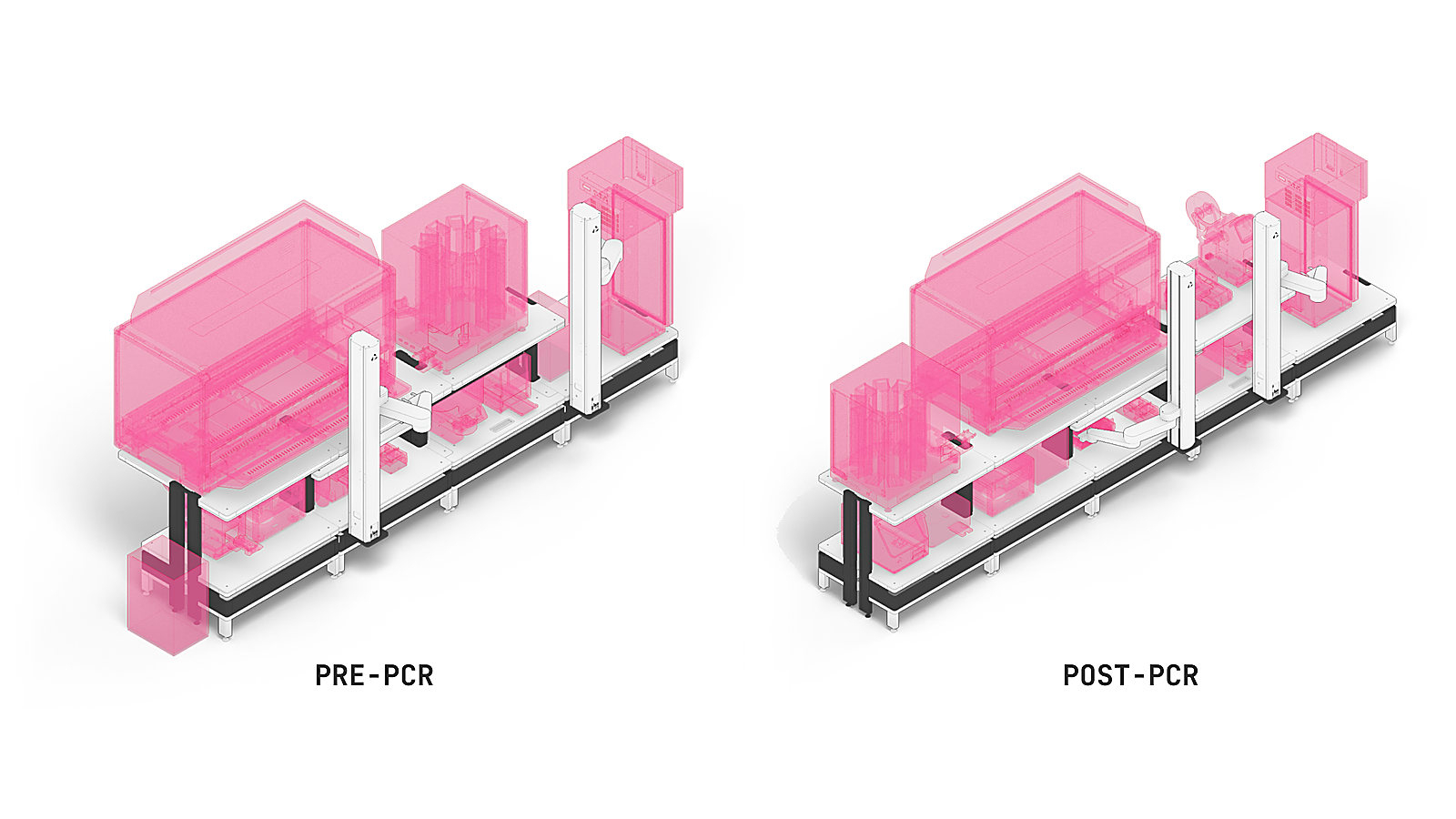
Library Preparation for Custom Cancer and Rare Disease Panels
Automate custom cancer and rare disease panel preparation across separate pre- and post-PCR workcells. Pre-PCR can include fragmentation, library preparation, cleanup and amplification; post-PCR can include hybridization, capture, cleanup, quality control and pooling.
This separation supports the appropriate laboratory environments while enabling parallel processing. LINQ coordinates timing and sample movements across batches, with pooled libraries transferred manually to the sequencer.
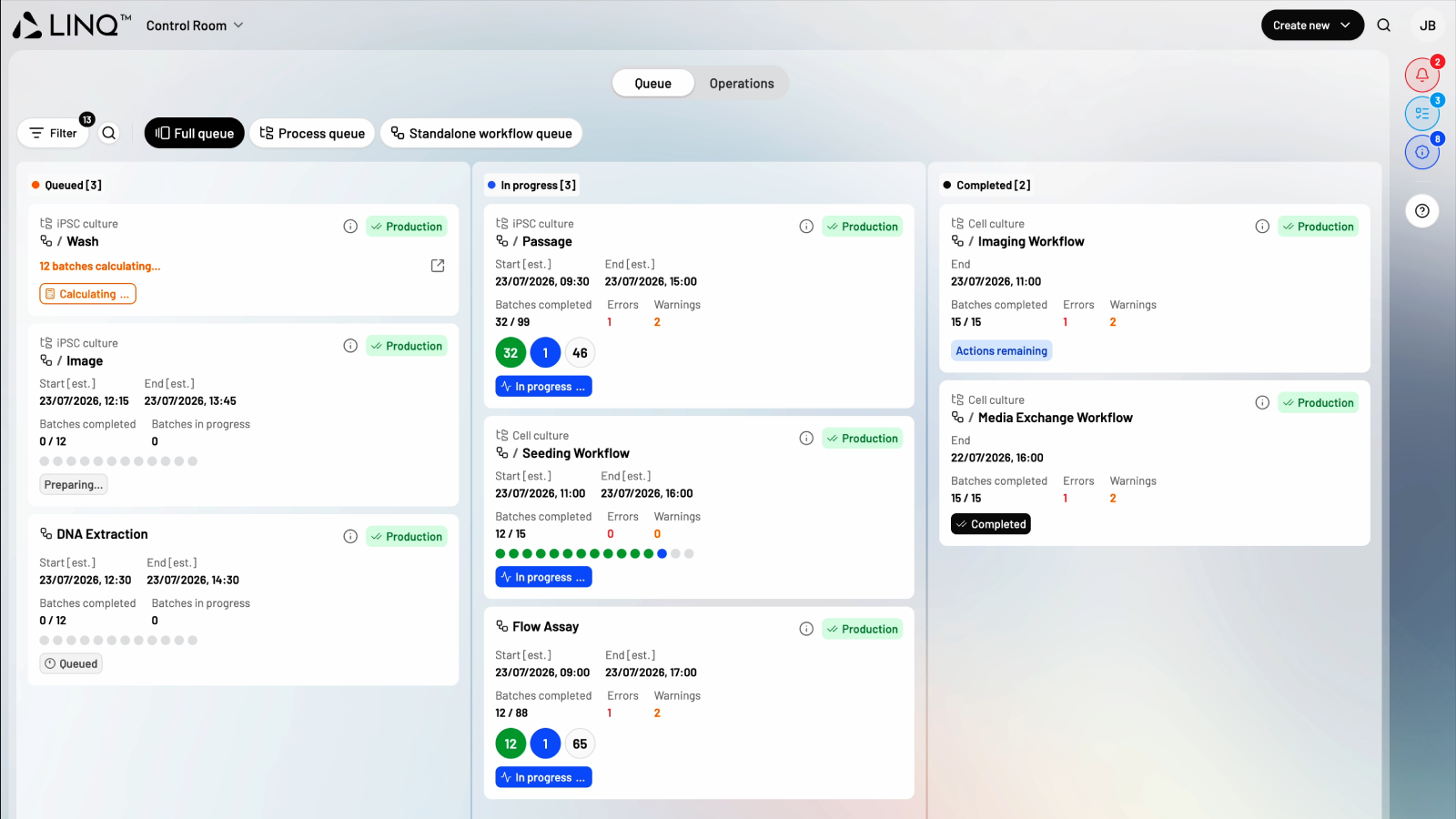
Coordinate Connected Clinical Genomics Workcells
LINQ brings workflow design, scheduling, run management and visibility together across connected workcells. Coordinate instruments and sample movements from extraction through library preparation while maintaining traceability toward sequencing and reporting.
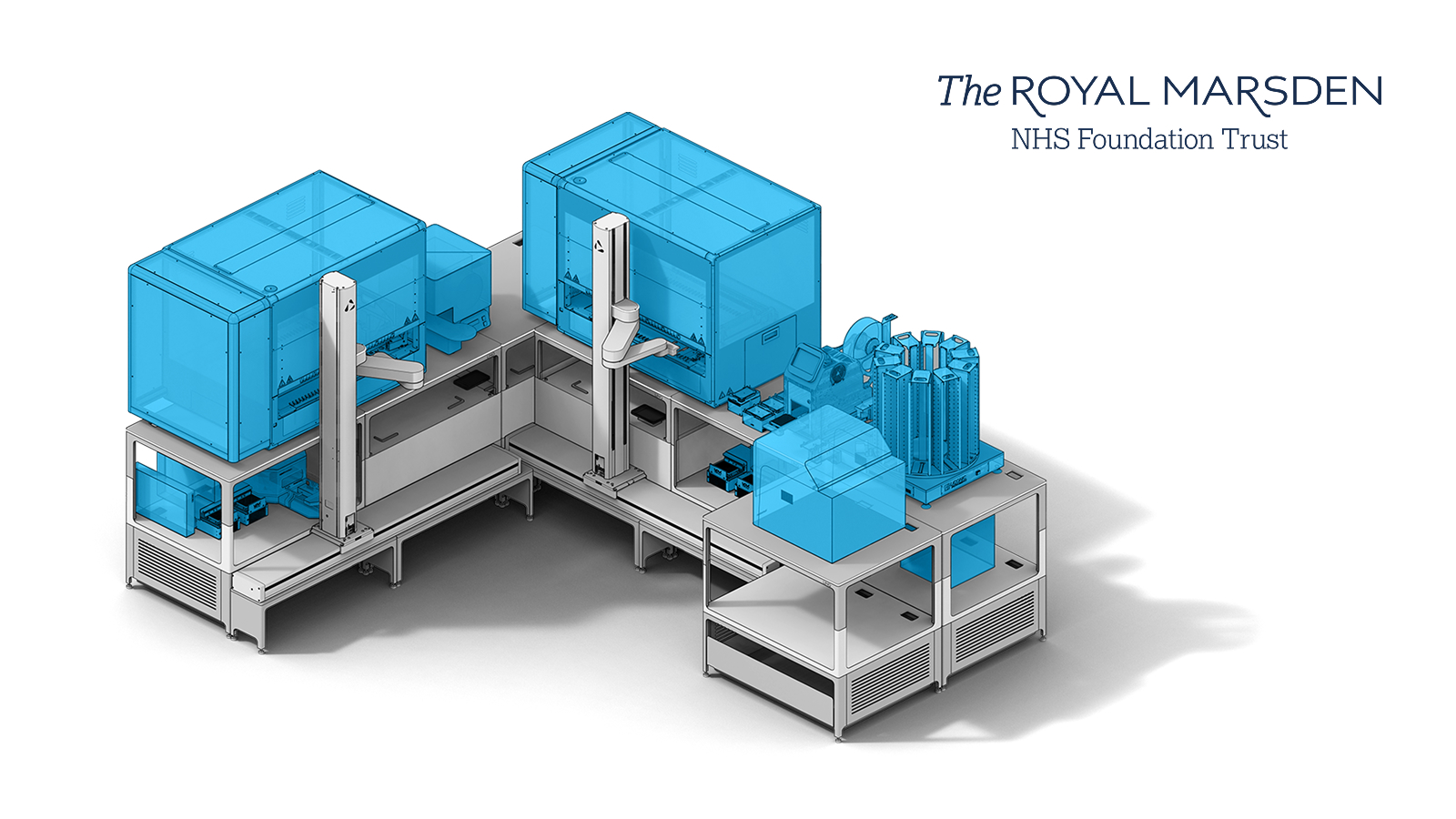
Inspire Progress Like The Royal Marsden
A top 10 cancer centre in the world, The Royal Marsden partners with Automata for testing.
- Five automated workflows
- 20 LINQ benches
- Six robots
- 37 laboratory instruments
- Doubled genomic testing capacity
- Approximately 2,000 additional NGS tests each month
“Thanks to Automata’s innovative robotic technology, this UK-first clinical diagnostics installation will transform genomic testing at The Royal Marsden by streamlining our processes, substantially increasing our capacity without compromising accuracy.”
Professor Michael Hubank, Scientific Director of Clinical Genomics at The Royal Marsden NHS Foundation Trust